

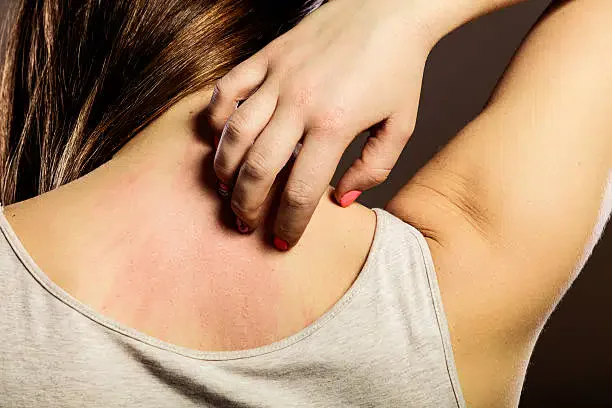
Consultation for rashes and changes in the skin

At NaturallYou, we understand how frustrating and uncomfortable rashes can be. Whether caused by mild irritants or underlying health conditions, rashes can result in noticeable changes to your skin’s color, texture, and overall appearance. Often accompanied by itching, burning, or swelling, these skin reactions require expert care to identify the cause and provide effective relief. Our team is dedicated to offering personalized solutions to help manage and treat your rash, restoring comfort and confidence in your skin.

Common rash types and skin symptoms

What Are the Types of Rashes?

Rashes manifest for numerous reasons, making it sometimes challenging to diagnose their exact cause. Here are some common types:

  • Contact Dermatitis Contact dermatitis occurs when the skin reacts to an irritating substance. The irritant could be a chemical, such as cleaning products or soaps, or an allergen like latex, perfumes, dyes, or animal dander. Some individuals may also develop rashes after contact with plants like poison ivy or after insect bites.
  • Allergic Rashes Allergic rashes develop when the body reacts to allergens ingested or inhaled. Common culprits include certain foods or medications, leading to hives or other types of rashes in those who are sensitive.
  • Seborrheic Dermatitis Seborrheic dermatitis presents as red, scaly patches that are often oily or flaky. It is most common on the face and scalp, where it is referred to as dandruff or cradle cap, but it can also affect areas like the outer ears, eyebrows, or chest.
  • Viral and Bacterial Rashes Viral or bacterial infections can also cause skin rashes. Conditions like eczema, psoriasis, impetigo, and pityriasis rosea may present with distinct rashes. Diagnosis often depends on the appearance, pattern, and location of the rash.
  • Rashes from Systemic Diseases Certain systemic diseases are known to cause rashes as part of their symptom profile. These can include childhood illnesses like measles, chickenpox, and rubella, as well as conditions like lupus, rheumatoid arthritis, and sexually transmitted infections like syphilis.
  • Heat and Sun-Induced Rashes Heat rash, often seen in infants but possible at any age, occurs when sweat ducts become blocked, causing small, itchy red bumps. Overexposure to the sun or ultraviolet light, such as from tanning beds, may cause polymorphous light eruption (PMLE), sometimes called “sun poisoning.”
  • Stress Rashes In some cases, stress can be enough to trigger a rash without any external or internal factors, leading to red, itchy patches that may resolve once the stress is managed.

What Are the Treatments for Rashes?

The treatment of rashes varies depending on their underlying cause:

  • Bacterial Rashes: Treated with antibiotics to clear up the infection.
  • Viral Rashes: May be treated with antiviral medications.
  • Allergic Rashes: Often respond well to antihistamines, and more severe cases may require corticosteroids.
  • Topical Treatments: Soothing lotions like calamine, colloidal oatmeal baths, or corticosteroid creams are effective for itching and irritation.

In many cases, avoiding the triggering irritants can prevent the rash from worsening. For symptomatic relief, antihistamines, moisturizing creams, cold compresses, and wearing soft, breathable clothing can help reduce discomfort.

How to Prevent Rashes

Preventing rashes often involves identifying and avoiding the triggers that cause skin irritation. Simple steps like using hypoallergenic products, avoiding harsh chemicals, staying hydrated, and wearing sunblock can go a long way in maintaining healthy skin.

Schedule A Consultation

To book your appointment or explore our services, call us at 203.554.7192. After hours? Simply complete the form below, and we’ll be in touch!

REQUEST AN APPOINTMENT

Required fields

Do not include diagnoses, medication lists, or other sensitive medical details.

TWO CONVENIENT LOCATIONS